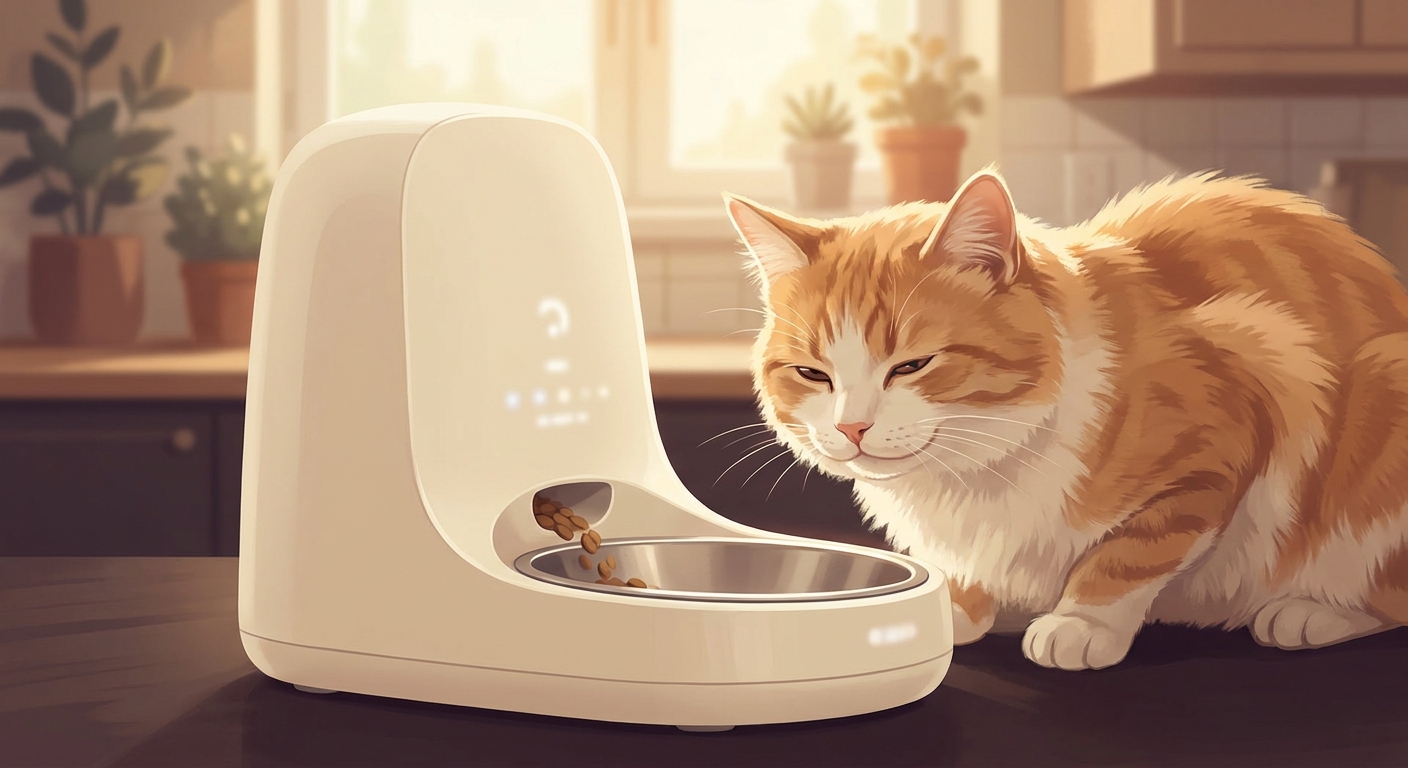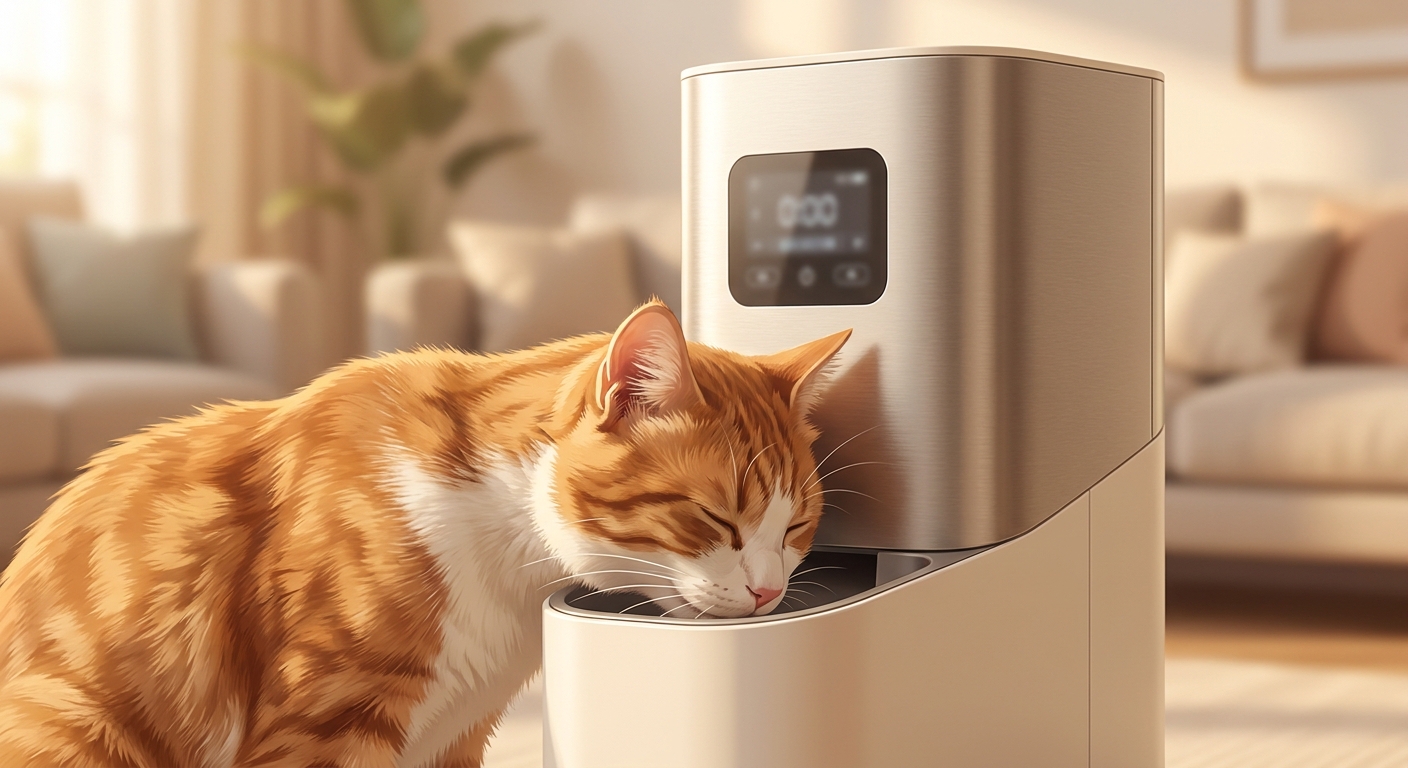
In-Depth Review: Navigating the Furrify Automatic Pet Feeder with RFID
As a veterinary technician, one of the most common issues I hear from cat parents in multi-pet households is the dreaded "food thief." You know the drill: one cat is prescribed a specific diet or needs careful portion control, and the other cat sweeps in like a vacuum cleaner. To address this, I spent the last 30 days testing the Furrify Automatic Pet Feeder with RFID in a real-world home environment to see if it provides a reliable feeding schedule while preventing food guarding.
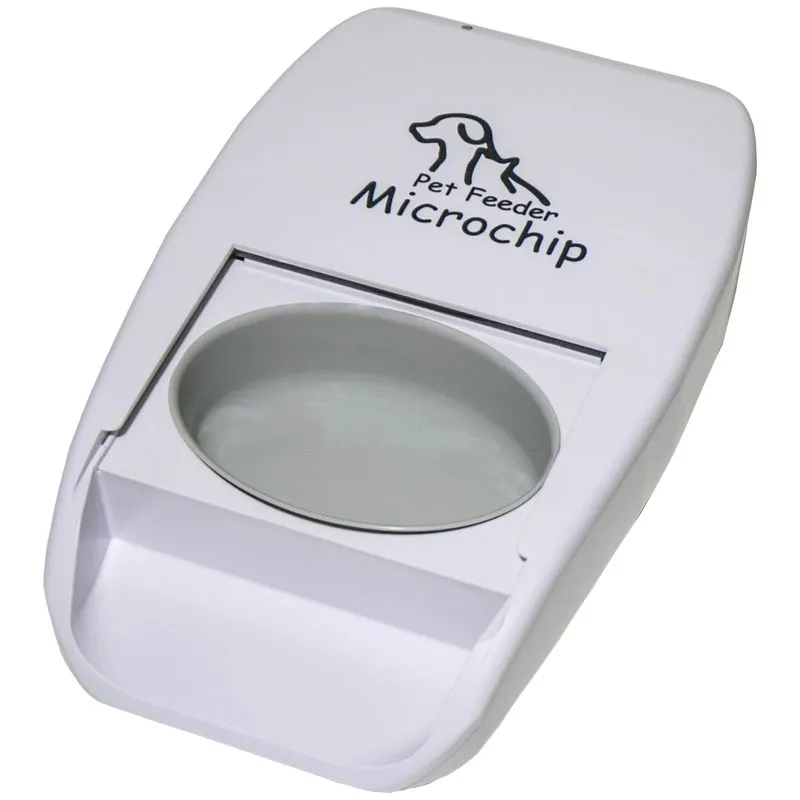
When dealing with food-grade materials, the structural integrity of a feeder is vital. The Furrify feeder is built with a sturdy plastic housing and a stainless steel bowl that helps prevent feline acne. During my 30-day assessment, I paid close attention to the locking lids and freshness seals. The freshness-sealing food lid does an excellent job of keeping moisture out and locking the aroma in, which is crucial for picky eaters. However, the food hopper capacity is standard, meaning you'll still need to refill it periodically depending on your cat's dietary needs.
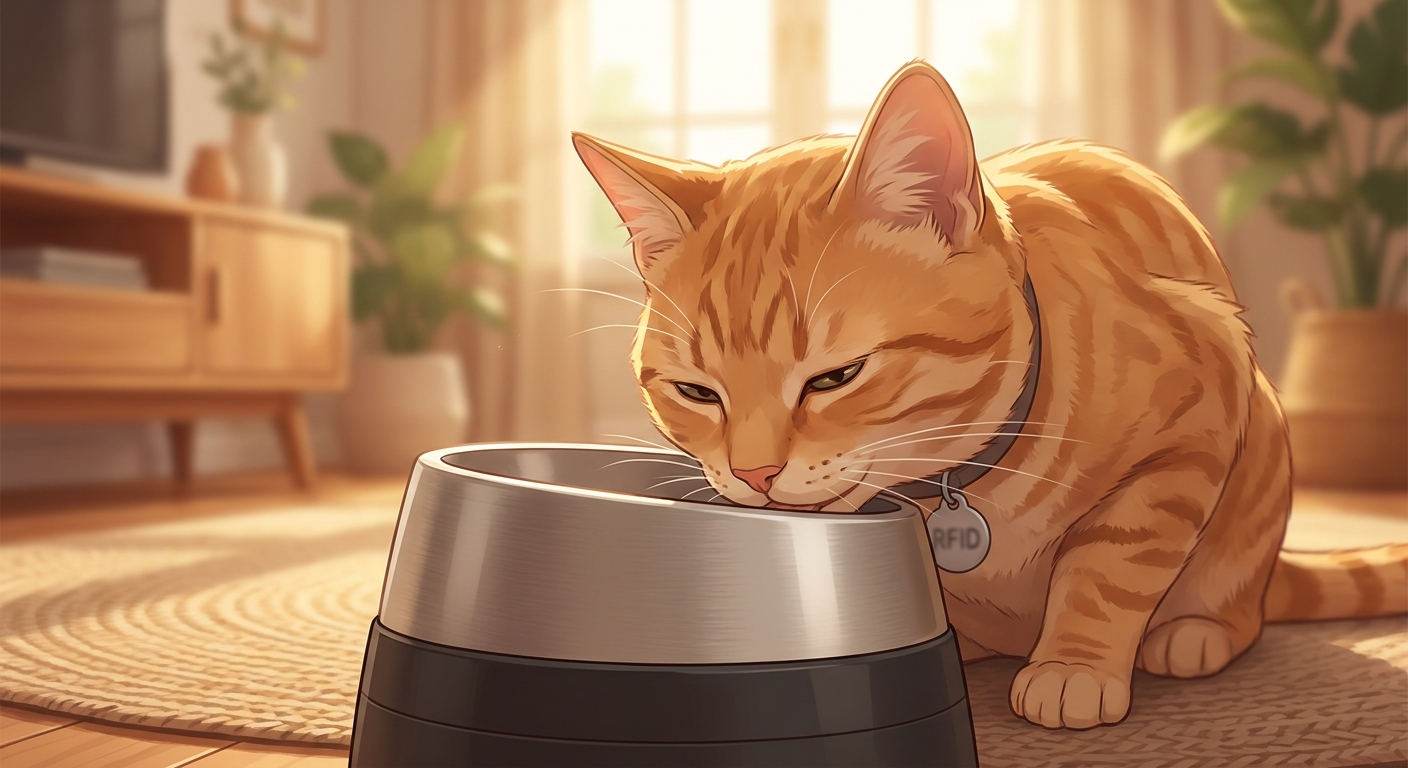
Let's talk about the main draw: RFID technology. RFID stands for radio-frequency identification, which uses electromagnetic fields to automatically identify and track tags attached to objects. In this case, it communicates with the included 2 RFID collar tags. When the designated cat approaches, the feeder opens; when they walk away, it closes.
While this sounds like a straightforward solution for food theft between pets, my testing revealed some inconsistent RFID sensor performance. Sometimes there is a slight delay in the lid opening, requiring the cat to stand very still before they can access their meal.
When it comes to portion control, portion calibration is paramount. I documented exact portion weights using a digital scale for accuracy verification. The Furrify feeder allows you to program up to 4 meals per day. Portion accuracy was generally reliable, though minimum dispensing amounts can sometimes vary by a few grams depending on kibble density.
Setting up a new feeder shouldn't require an engineering degree. The Furrify feeder offers customizable feeding schedules, though some users report potential programming challenges. In my setup walkthrough, I found the interface requires a bit of a learning curve to get exactly the times you want.
The smartphone app interface usability and connection stability are acceptable, but you may experience occasional dropouts if your router is far from the feeder. It operates on a dual power source, utilizing both USB and a backup battery. It's essential to keep batteries installed so your cats don't miss a meal during a power outage, though I noted battery life can be short if running solely on backup power.
How long do the backup batteries last in the Furrify feeder? expand_more
During testing, backup batteries generally provided about 4 to 5 days of continuous operation if there was a complete power failure. They are intended strictly as a temporary safety net, not a primary power source.
During operation, the internal anti-jam mechanism—a system designed to reverse the motor slightly if kibbles get stuck—can be somewhat noisy. It's not deafening, but it's a distinct whirring sound that might startle a timid cat during the first few days of their feeding schedule.
Cleaning requirements are straightforward but require consistency. The stainless steel bowl is dishwasher safe, but the internal dispenser chute requires manual wiping to prevent oil buildup from the kibble.
| Task Frequency | Maintenance Action | Furrify Automatic Pet Feeder Care Details |
|---|---|---|
| Daily | Wash Bowl | Remove the stainless steel insert and wash it with warm, soapy water. |
| Weekly | Wipe Down Chute | Use a pet-safe damp cloth to clear dust and oil from the dispenser opening. |
| Monthly | Deep Clean Hopper | Empty all kibble, thoroughly wash the plastic hopper, and dry completely before reassembly. |
| Buy on Amazon |
After 30 days of evaluating this smart RFID-enabled automatic feeder, it's clear that it offers a practical solution to multi-pet feeding woes. The thoughtful inclusion of collar tags and the solid freshness-sealing food lid are highly commendable for maintaining diet integrity.
Will the RFID scanner work with my pet's internal veterinary microchip? expand_more
No, this feeder specifically requires the included external RFID collar tags to trigger the lid mechanism. It does not scan implanted microchips.
However, the inconsistent sensor performance and potential programming challenges mean it requires some patience to operate smoothly. If you want to double-check dimensions or view compatibility with your cat's existing collar, I highly recommend you
before purchasing.
Our Top Pick

Furrify
Furrify Automatic Pet Feeder with RFID
The Furrify Automatic Pet Feeder is a strong and effective tool for multi-pet homes battling the food thief problem, provided you are willing to manage the minor app learning curve and adhere to strict kibble size limits.
Ultimately, managing a multi-pet household is about finding the right tools that work for your specific cats. The investment in an RFID feeder can save you money on expensive prescription diets and reduce mealtime household stress significantly.