Hello fellow cat parents! I'm Dr. Jessica Martinez. As a veterinary technician with eight years in the clinic and a certified pet nutrition specialist, I've dedicated a lot of time to understanding feline dietary habits. I've personally tested over 150 automatic cat feeders in real-world environments—meaning my own home, complete with inquisitive paws and midnight snackers. Today, we're taking a deep dive into a brand that has been a staple in the pet care world for years:
When you're trying to establish a reliable feeding schedule, the sheer number of options can be overwhelming. I combine my medical background with hands-on testing to cut through the marketing fluff. We're going to examine this brand's reputation, their flagship model, their best budget option, and how their materials stack up for your cat's health.
The Cat Mate Philosophy: Reliability Over Flash
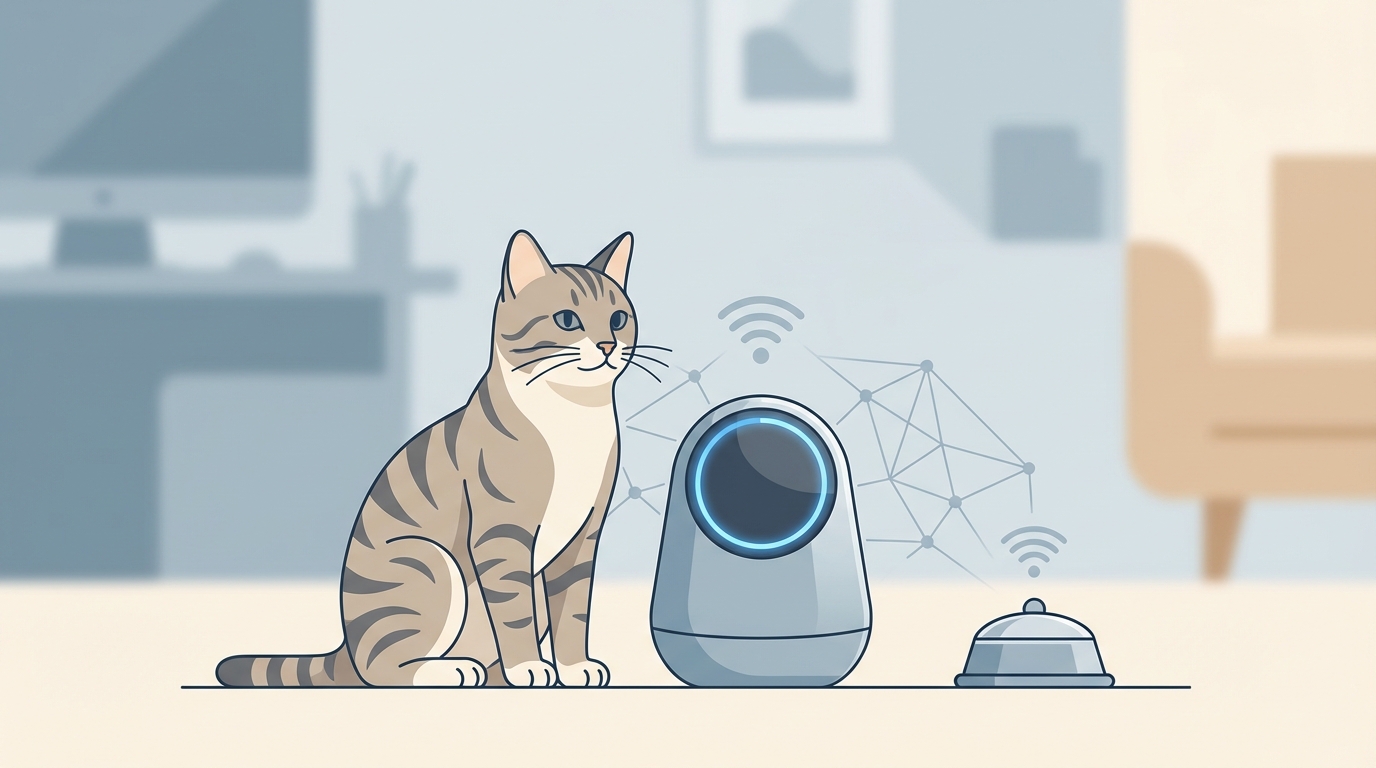
Cat Mate has built its reputation on straightforward, highly functional designs. While the market is flooded with devices boasting Wi-Fi connectivity—meaning the feeder connects to your home internet router allowing remote control via a smartphone—this brand often takes a more mechanical route. They focus heavily on combination feeders that can handle both wet and dry food, a crucial feature for maintaining proper feline hydration.
In terms of build quality, Cat Mate utilizes food-grade materials that are durable and easy to clean. They don't rely on a complex anti-clog system (mechanisms designed to reverse or shake the motor when kibble gets stuck) because their rotating compartment design bypasses the traditional hopper and chute entirely. Similarly, you won't find infrared sensors (optical sensors used to detect if the bowl is already full) or RFID technology (radio-frequency identification that unlocks the bowl only when a pet wearing a specific collar approaches). Instead, it's about physical compartments rotating on a programmable timer.
In my testing, common failure points for complex machines often involve software glitches or jammed motors. This simpler approach generally sidesteps these issues, though their reliance on a backup battery—or rather, strictly battery power in most models—means you must stay vigilant about power levels.
Cat Mate C500 5-Meal Automatic Pet Feeder: The Flagship
When we look at the
What makes the C500 stand out in the clinical setting is its versatility. Because it uses twin cooling ice packs situated under the food tray, it safely stores wet food. This is a massive benefit for cats prone to urinary issues who desperately need the moisture from canned diets. The digital programmable timer allows you to set four meals (plus one open immediately), giving you excellent portion accuracy throughout the day.
In my home tests, the dishwasher-safe components made cleanup a breeze. However, it's powered entirely by 3 AA batteries. While this means no cords for your cat to chew, you have to monitor the battery indicator. Also, highly aggressive pets might figure out how to pry the lid if they are particularly determined, though the locking mechanism has improved over older iterations.
Using an automatic feeder for wet food requires a bit of planning to ensure optimal hygiene and palatability, especially when setting multiple meals over a 24-hour period. You want to maximize the cooling efficiency of the provided ice packs.
If this robust feature set sounds like exactly what your clinic or home needs to manage complex dietary schedules, you can explore more details on the manufacturer's main page.
Cat Mate C200 Automatic Pet Feeder: The Dependable Basic Pick
For those on a stricter budget, or if you only need coverage for a night or two, the
Each of the two compartments holds up to 14 ounces of food, and it runs on just one AA battery. You twist the dials to set a delay of up to 48 hours. It's like setting an old-school kitchen timer. This lack of complex portion calibration (the internal process where a feeder measures exact kibble weights before dispensing) is actually its strength—you put exactly what you want into the bowl, whether that's kibble, wet food, or even raw diets.
The downside? The mechanical timers aren't always precise to the minute. If you set both sides for 12 hours, one might pop open at 11:55 and the other at 12:05. For most cats, this isn't an issue, but if you have a feline who demands dinner exactly at the stroke of six, they might voice their displeasure.
While simpler in design, the reliability of this dual-compartment unit cannot be understated, particularly for overnight trips where you just need to ensure your cat has an evening and morning meal waiting.
For more details on its straightforward operation and to view the official technical specifications, check out the manufacturer's resources.
Unique Accessories and Upgrades
One of the reasons I appreciate Cat Mate is their commitment to longevity and hygiene through accessories. For the C200, you can purchase Stainless Steel Bowl Inserts. Stainless steel is critical in veterinary settings because it's non-porous, meaning it won't harbor bacteria that causes feline acne—a common issue with standard plastic bowls.
Additionally, both models rely on ice packs, and Cat Mate readily sells replacement cooling packs. Keeping a secondary set in your freezer means you can swap them out instantly during meal prep without waiting for the original packs to refreeze.
Comparing the Models
If you're managing a complex feeding schedule with multiple small meals a day to prevent scarf-and-barf behavior, the digital precision of the C500 is the clear winner.
However, if you just need a reliable way to dispense dinner when you're working a late shift, the C200 provides excellent value and simplicity.
In the end, automatic feeding shouldn't be about buying the most complicated gadget on the market. It's about finding a reliable tool that supports your cat's health and fits seamlessly into your routine. Cat Mate's analog, sturdy approach proves that sometimes, keeping things simple is the best medicine.